
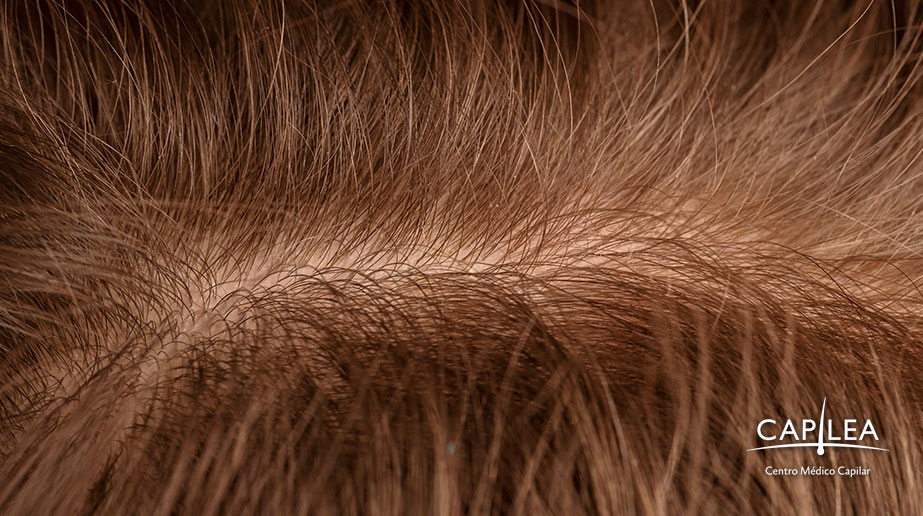
If you’ve been noticing your hairline slowly moving back, you’ve probably asked yourself: can your hairline grow back? The honest answer is: it depends on the cause and how early you act. In some cases, early-stage hairline recession can improve with the right treatments. In others—especially when follicles are permanently damaged—natural regrowth isn’t possible without advanced medical solutions.
Why does the hairline recede in the first place?
The most common cause is androgenetic alopecia (female or male pattern baldness). This condition is influenced by genetics and hormones, specifically DHT (dihydrotestosterone), which gradually shrinks hair follicles. Over time, affected follicles produce thinner hair until they stop producing visible hair altogether.
Other causes of hairline thinning may include:
- Stress-related hair loss (telogen effluvium).
- Traction alopecia (tight hairstyles pulling on hair).
- Hormonal imbalances.
- Nutritional deficiencies.
- Inflammatory scalp conditions.
The key factor is whether the hair follicles are still alive.
Can your hairline grow back?
In some cases, yes—but only under specific conditions.
1. If hair loss is temporary
If recession is caused by stress, illness, or hormonal shifts, hair may regrow once the underlying trigger is resolved.
2. If the follicles are still active
If your hairline is thinning but the follicles haven’t fully miniaturized or died, regrowth may be possible. The sooner treatment begins, the higher the chance of preserving and thickening existing hair.
3. If the follicles are permanently dormant
When hair follicles have been inactive for a prolonged period (common in advanced pattern baldness), natural regrowth is not possible. At that stage, medical or surgical intervention is required to restore density.
Treatments that may help regrow a receding hairline
Hair regeneration therapies
Advanced regenerative treatments focus on stimulating weakened follicles and improving scalp health. These therapies aim to:
- Increase blood flow to the scalp.
- Stimulate cellular repair.
- Strengthen miniaturized hair.
- Improve overall hair density.
They are most effective in early to moderate stages of hairline recession.
Platelet-rich plasma (PRP)
PRP uses your body’s own growth factors to stimulate hair growth. It can improve hair thickness and slow down further recession, especially when follicles are still viable.
Hair transplant surgery
If the hairline has significantly receded and follicles are no longer producing hair, a hair transplant is the most definitive solution.
Modern techniques, such as FUE (Follicular Unit Extraction), allow surgeons to:
- Redesign a natural-looking hairline.
- Transplant healthy follicles from the donor area.
- Achieve permanent, natural growth.
Transplanted hair continues to grow because it comes from genetically resistant follicles.
What happens if you do nothing?
Hairline recession is usually progressive in androgenetic alopecia. Without treatment, follicles continue to shrink until they stop producing hair completely. Acting early often means less invasive solutions and better long-term outcomes.
It’s more than just hair
A receding hairline isn’t just cosmetic. For many people, it affects self-esteem, perceived age, and social confidence. It’s normal to feel frustrated or anxious—but it’s important to remember that effective, medically backed solutions exist.
So, can your hairline grow back? Yes—if the follicles are still viable or with the right medical intervention. Early-stage thinning may respond to regenerative therapies, while advanced recession often requires a hair transplant for permanent restoration.
Schedule your appointment at Capilea Mexico
At Capilea Mexico, specialists combine advanced diagnostics, regenerative therapies, and state-of-the-art hair transplant techniques to create natural, long-lasting results. Every treatment plan is personalized based on your stage of hair loss and long-term goals.
If you’re ready to understand your options and take control of your hairline, a professional evaluation can be the first step toward restoring not just your hair—but your confidence. Schedule your appointment today. I’m Dr. Héctor Treviño, and I’ll guide you every step of the way.
FAQ
Can a receding hairline grow back on its own?
Only if the follicles are still active and the cause is temporary. In most genetic cases, professional treatment is needed for hair growth.
How long does it take to see regrowth?
With regenerative treatments, results may begin appearing in 3–6 months. Hair transplants show visible growth after several months, with full results around 12 months.
Is hairline regrowth permanent?
Regenerative treatments require maintenance. Hair transplants are permanent because transplanted follicles are resistant to hair loss.
Does age affect the ability to regrow a hairline?
Age matters less than follicle health. Younger patients often respond better to early treatments, but restoration is possible at many ages.
How do I know if I’m a candidate for hair restoration?
A personalized evaluation by a hair restoration specialist is the only way to determine the best course of action for your specific type and stage of hair loss, whether you are experiencing male pattern hair loss or female pattern hair loss.