
If you’ve noticed that your hair seems thinner or less voluminous lately, don’t despair! Here we guide you to increase the density of your hair and have more volume.
What is hair density?
Hair density is the number of hair follicles per square inch on the scalp. Plays a crucial role in overall appearance and hair health. While genetics largely determines your natural hair density, several factors such as age, stress, diet and hair care habits can affect over time.
High-density hair has a large number of strands, giving it a voluminous appearance.
Medium-density hair strikes a balance—it’s not too thick or too thin.
Low-density hair has fewer strands, making it appear finer or thinner.
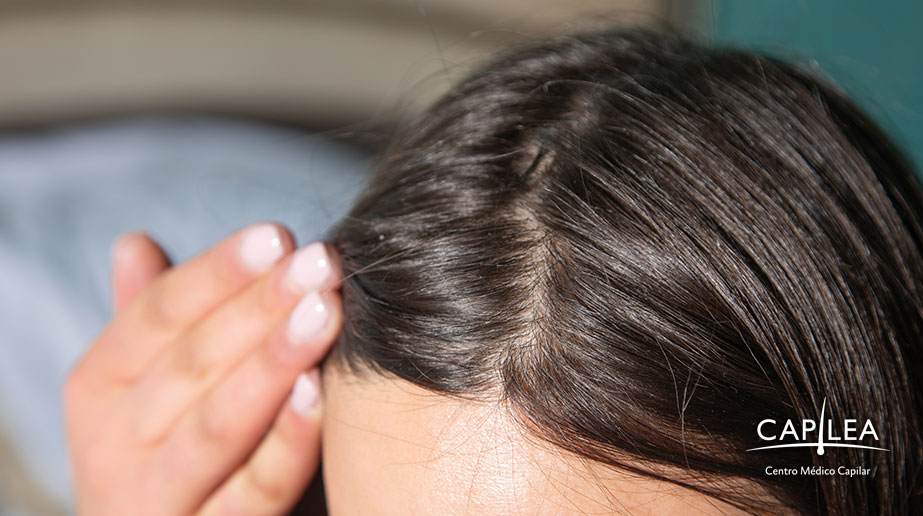
A common way to measure hair density is by parting the hair and observing how much scalp is visible—more visible scalp usually indicates lower density.
Tips to increase your hair density
1. Nourish your hair from the inside
The health of your hair starts from the inside out. A balanced diet rich in essential nutrients is key to promoting hair growth and density. Focus on incorporating these foods into your meals:
- Protein-rich foods such as eggs, fish and lean meats.
- Green leaves such as spinach and kale (rich in vitamins A and C).
- Nuts and seeds (excellent sources of vitamin E and healthy fats).
- Whole grains (full of B vitamins).
2. Control your stress levels
Chronic stress can wreak havoc on your hair, leading to increased detachment and reduced density. To combat stress-related hair loss, perform:
- Meditation or breathing exercises.
- Regular physical activity.
- Stress management therapies.
- 7-9 hours of sleep.
3. Incorporate care practices
Regular scalp care can help clear hair follicles, promote circulation and create an ideal environment for hair growth.
- Massage your scalp gently for 5-10 minutes a day to stimulate blood flow.
- Use a soft-bristled brush to exfoliate and remove dead skin cells.
- Keep your scalp clean but avoid excessive washing, because it can remove natural oils.
4. Choose quality products
The right hair care products can make a significant difference in your hair density and overall health. Search:
- Sulfate-free shampoos that clean without removing natural oils.
- Conditioners and masks rich in nourishing ingredients such as keratin and natural oils.
- Treatments designed to promote hair thickness and strength.
5. Protect it from damage
Preventing damage is as important as promoting growth when it comes to hair density. Follow these tips:
- Limit the use of styling tools with heat, and when using them, always use a thermal protector.
- Avoid tight hairstyles that can cause traction alopecia.
- Use a silk pillowcase to reduce friction while you sleep.
- Be gentle when brushing, especially when your hair is wet.
6. Consider supplements
While a balanced diet should be your primary source of nutrients, certain supplements can support hair health:
- Biotin (vitamin B7) is known to promote hair growth.
- Iron supplements can help if you have iron deficiency anemia.
- Fatty acids like omega-3 can improve hair density and reduce inflammation.
Consult a health care professional before starting any new supplementation regimen.
7. Seek professional help when needed
If you’ve tried these strategies and see no improvement, or if you experience sudden or severe hair loss, it’s time to consult a professional. A doctor can make an accurate diagnosis and provide treatments for each case.
At Capilea Mexico we have professionals who are experts in hair health and advanced treatments that generate natural and permanent results. My name is Dr. Héctor Treviño and I’m here to help you improve the hair density of your hair. Schedule a free online appointment and regain your hair and confidence.