
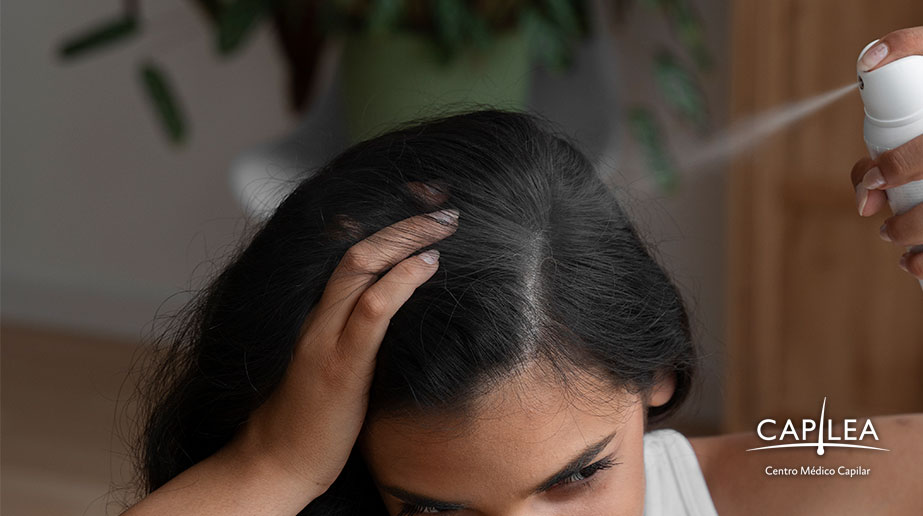
Did you know that minoxidil is one of the most widely used treatments to improve hair density in women? Minoxidil has become a trusted option for women experiencing hair thinning. Below, we share everything you need to know about this medication, how it works, the dose you need, and how it can help restore the density and vitality of your hair.
What is minoxidil?
Minoxidil is a vasodilator medication that was originally developed to treat high blood pressure. Over time, it was discovered that it also stimulates hair growth. Studies show that it is effective at increasing the thickness of existing, healthy hair.
What is the minoxidil dose for female pattern hair loss?
This information is for general knowledge and should not be taken as medical advice. Consult a doctor before making any decisions about its use.
Recommended dosages vary depending on the form of administration:
Oral Minoxidil: Typical doses range from 0.25 mg to 1.25 mg daily. Many specialists begin with a gentle starting dose of around 0.625 mg per day to minimize potential side effects while maximizing benefits.
Topical Minoxidil: Women often benefit from a 2% solution applied twice daily or a 5% foam applied once daily, strategically chosen to reduce the risk of scalp irritation and unwanted facial hair growth that can sometimes affect confidence.
Minoxidil is also available in various topical concentrations and specialized formulations designed to meet different patient needs, but the above are the most commonly prescribed and clinically proven options for hair loss treatment.
What are the benefits of minoxidil for women?
- Hair growth stimulation: Improves blood flow to the hair follicles, enhancing nutrient and oxygen delivery.
- Increased hair density: Helps thicken existing hair and stimulates the growth of new strands.
- Non-invasive treatment: A safe and effective alternative that does not require surgical procedures.
- Versatile application: Available in solutions, foam, or spray formats to suit different preferences.
- Improved self-esteem: Reduces the stress and anxiety associated with hair loss, significantly improving quality of life.
- Treatment compatibility: Can be combined with other hair restoration therapies to enhance results.
- Easy to incorporate: Fits seamlessly into your daily hair care routine.
Recommendations to apply topical minoxidil
Application technique
Apply minoxidil to a clean, dry scalp. Gently massage with your fingertips to improve absorption. Avoid contact with the eyes and wash your hands thoroughly after application.
Consistency is key
Regular and continuous use is essential to achieve optimal results. Hair growth is a gradual process that requires patience and long-term commitment.
Supplements and additional care
Support your treatment with a diet rich in B-complex vitamins, iron, and zinc. Maintaining a healthy lifestyle that includes regular exercise and proper stress management can further enhance results.
What side effects can minoxidil cause in women?
The most common side effects include scalp irritation, itching, redness, and flaking in the application area. In some cases, hypertrichosis (unwanted hair growth in other areas) may occur.
Specific contraindications
Minoxidil should not be used during pregnancy or breastfeeding, as it may be transferred to the fetus or infant. Women with high blood pressure should use it only under strict medical supervision.
Drug interactions
Minoxidil may interact with nonsteroidal anti-inflammatory drugs (NSAIDs), anticoagulants, and blood pressure medications. Always inform your doctor about any medications you are currently taking.
What causes hair loss in women?
Genetics
If you have a family history of hair thinning or baldness, there is up to a 60% chance of experiencing hereditary hair loss, making the scalp more susceptible to androgenetic alopecia.
Hormonal changes
Hormonal fluctuations during menopause, pregnancy, or endocrine disorders can directly affect the hair growth cycle. Changes in estrogen and testosterone levels may lead to progressive follicle weakening.
Environmental factors
Chronic stress, poor nutrition, aggressive chemical products, and improper hair treatments can accelerate hair loss and increase scalp vulnerability.
How does alopecia affect your hair?
- Increases daily hair shedding beyond the normal 100 strands.
- Shortens the active growth phase (anagen phase).
- Gradually reduces scalp density.
- Causes new hair to grow thinner and more fragile.
- May lead to scalp irritation and sensitivity.
- Significantly impacts self-esteem and personal confidence.
Evaluate your hair health with specialists
Schedule a professional hair assessment to determine whether minoxidil is the right treatment for you and take the first step toward healthier hair. I’m Dr. Héctor Treviño, and I’m here to guide you throughout your hair restoration journey.
Frequently Asked Questions
How long does it take to see results with minoxidil?
Results vary, but most women begin to notice improvements after 3 to 4 months of consistent use under professional supervision.
Is it safe to combine minoxidil with other hair treatments?
Yes. Minoxidil can be combined with treatments such as mesotherapy or platelet-rich plasma (PRP) when supervised by a specialist, often enhancing overall results.
Can I use minoxidil if I have a sensitive scalp?
A sensitivity test is recommended before starting treatment. If you have a sensitive scalp, your doctor may adjust the concentration or suggest gentler alternatives.
What happens if I stop using minoxidil after seeing results?
Discontinuing treatment may lead to a gradual loss of the benefits achieved, as minoxidil requires continuous use to maintain hair growth.
How does lifestyle influence minoxidil’s effectiveness?
A healthy lifestyle—balanced nutrition, regular exercise, and effective stress management—can significantly enhance the effectiveness of minoxidil and overall hair health.