
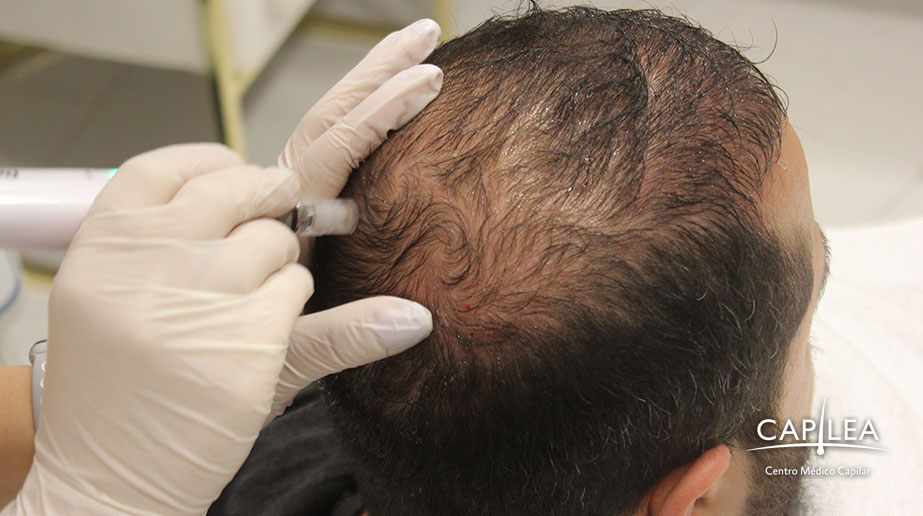
If you’re considering a hair graft, it’s completely natural to have questions about hair transplant side effects. The reality is that today’s hair transplant procedures are minimally invasive, reliable, and deliver consistent outcomes when carried out by qualified medical professionals trained to perform hair transplant surgery.
Most side effects are temporary, mild, and part of the natural healing process. Serious complications are extremely rare—especially when the procedure is done in a certified and reputable clinic.
Are hair transplants safe?
Yes. Hair transplantation has evolved significantly over the past decades. Today, techniques such as FUE (Follicular Unit Extraction) allow specialists to transplant individual hair follicles with precision, ensuring natural-looking results and faster recovery. This type of surgical procedure is considered safe when performed under proper medical standards.
When performed by trained medical professionals:
- The procedure is done under local anesthesia.
- It does not involve deep surgery.
- There are no stitches in most modern techniques.
- Recovery is typically quick and manageable.
The safety of the procedure largely depends on the expertise of the medical team and the quality standards of the clinic, especially in centers dedicated to cutaneous and aesthetic surgery.
Common hair transplant side effects (and why they’re temporary)
1. Mild swelling
Some patients experience slight swelling in the forehead or around the treated area. This typically appears within the first few days and resolves on its own within 3–5 days.
2. Redness and sensitivity
Redness in both the donor and recipient areas is completely normal. It’s a sign that your body is healing. Most redness fades within a week or two.
3. Scabbing
Small scabs form around the transplanted follicles. This is part of the natural recovery process and usually disappears within 7–10 days.
4. Temporary shedding (shock loss)
One of the most misunderstood side effects is temporary shedding of the transplanted hair. This can happen a few weeks after the procedure. It is not a failure—it’s a normal phase before new, stronger hair begins to grow as part of the hair restoration surgery process.
5. Mild discomfort
Some tightness or minor discomfort in the donor area may occur but is easily managed with prescribed medication.
The difference between a stressful experience and a smooth recovery often lies in the hands performing the procedure. Precision in follicle extraction, careful implantation, and individualized treatment planning all contribute to:
- Natural-looking results.
- Minimal trauma to the scalp.
- Faster healing.
- Lower risk of complications.
An experienced medical team understands not only the technical aspects but also the emotional journey patients go through when seeking solutions for hair loss.
How long do the consequences of a hair graft last?
Most side effects disappear within 7 to 14 days. The full process of hair growth takes longer:
- First month: possible loss of transplanted hair.
- Months 3–4: start of visible growth.
- Month 6: higher density and noticeable changes.
- Months 9 to 12: more defined and natural final result.
It is important to understand that grafting is a progressive process. Patience is part of the treatment in any hair replacement surgery.
How to minimize hair transplant side effects?
While most side effects are mild and temporary, you can further reduce discomfort by:
- Following post-procedure instructions carefully.
- Avoiding intense physical activity for the recommended period.
- Keeping the scalp clean as instructed.
- Attending follow-up appointments.
Proper aftercare is just as important as the procedure itself.
Are there serious risks after a hair transplant?
Serious complications are rare when the procedure is performed in a certified clinic with trained personnel. Infections, visible scarring, or unnatural outcomes are often related to inappropriate practices or clinical inexperience.
Therefore, rather than worrying about the consequences of hair grafting, it is essential to choose correctly where to do it.
A personalized medical assessment allows you to identify:
- If the patient is an ideal candidate.
- The most appropriate type of technique.
- The number of follicles needed.
- Realistic expectations of outcome.
Schedule your appointment at an experienced clinic
When researching hair transplant side effects like redness, scabbing, and shock loss, it’s important to understand that most are mild, temporary, and part of the body’s natural healing response.
Modern hair transplant techniques are safe and effective, especially when performed in experienced and specialized clinics. I am Doctor Héctor Treviño, and I am here to guide you throughout your process and help you stop alopecia. Schedule your appointment today.
FAQ
Are hair transplant side effects permanent?
No. The vast majority of side effects are temporary and part of the normal healing process.
How long does swelling last after a hair transplant?
Swelling typically lasts between 2 to 5 days.
Is infection common after a hair transplant?
Infections are rare when the procedure is performed in a professional clinic that follows medical standards.
Will the transplanted hair fall out?
Temporary shedding is normal. New permanent growth begins within a few months.
Does a hair transplant leave visible scars?
With modern FUE techniques, scarring is minimal and usually undetectable once healed.