
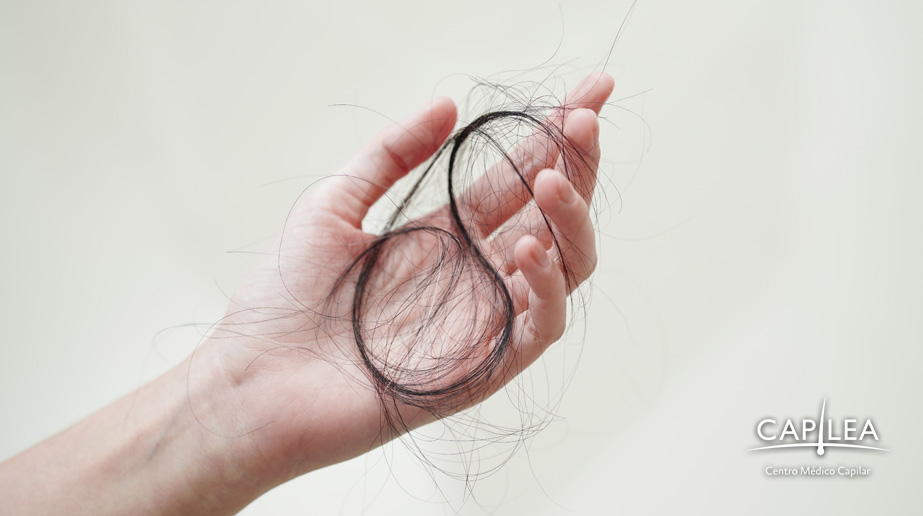
You’re in the shower and notice strands of hair slipping through your fingers. Later, more appear on your pillow or hairbrush. It’s a common experience—but it often leads to the same question: how much hair loss is normal?
Understanding what’s typical (and what’s not) can help you stay calm—or take action when needed.
How much hair loss is normal per day?
The short answer: losing between 50 and 100 hairs per day is completely normal.
Your scalp naturally renews itself, and daily shedding is part of that process. Since you have around 100,000 hair follicles, this level of hair loss doesn’t impact overall volume.
Natural hair growth cycle
- Anagen phase (growth): Lasts between 2 and 7 years. This is when hair actively grows from the follicle.
- Catagen phase (transition): Lasts a few weeks, during which hair growth stops and the follicle shrinks.
- Telogen phase (resting and shedding): Hair naturally falls out to make way for new growth.
It’s important to understand that not all hair is in the same phase at the same time. That’s why daily shedding is a normal and continuous process.
Factors that influence hair loss
- Physical or emotional stress: Stress can disrupt the hair cycle, causing temporary hair loss known as telogen effluvium.
- Genetics: Androgenetic alopecia is one of the most common causes of hair loss in both men and women.
- Nutrition: A diet low in essential nutrients such as iron, zinc, or protein can weaken hair.
- Hormonal changes: Pregnancy, postpartum, menopause, or thyroid issues can affect hair growth.
- Use of harsh products or treatments: Excessive heat, dyes, or tight hairstyles can damage hair and contribute to hair loss.
How to identify if hair loss is normal or excessive
Sometimes it can be difficult to distinguish between normal and excessive hair loss. Here are some practical ways to evaluate it:
Observe the amount of hair you lose
If you notice that you’re losing more hair than usual when washing or brushing—and this has lasted for more than 2–3 months—it could be a warning sign.
Gentle pull test
Take a small section of hair (about 20–30 strands) and gently pull:
- If 1–3 hairs come out, this is normal.
- If more come out, it may indicate excessive shedding.
Check for changes in volume
Is your ponytail thinner? Is your scalp more visible? These changes may indicate reduced hair density, along with a more noticeable receding hairline or patchy areas.
Scalp discomfort
Itching, burning, or discomfort may indicate irritation, inflammation, or dermatological conditions that can affect hair health and contribute to hair loss.
Most common types of hair loss
Not all hair loss is the same. Identifying the type is key to understanding its cause and finding the right treatment.
Telogen effluvium
A temporary condition in which more hairs than usual enter the resting phase. It is often linked to stress, illness, hormonal changes, or nutritional deficiencies.
Androgenetic alopecia
The most common cause of hair loss, with a genetic origin. It leads to progressive thinning, especially in the frontal and crown areas in men, and along the part line in women.
Alopecia areata
Characterized by hair loss in round patches and often associated with autoimmune factors.
Practical tips to care for your hair and reduce shedding
Although not all hair loss can be prevented, certain habits can help maintain healthier hair:
- Include foods rich in protein (eggs, fish, legumes), iron (spinach, red meat), as well as biotin and zinc to support hair strength and growth.
- Exercise regularly, practice meditation, and get enough sleep to help balance the hair cycle.
- Avoid brushing wet hair aggressively, reduce heat styling, and avoid tight hairstyles that stress the hair.
- Choose mild shampoos and avoid excessive use of harsh chemicals that can damage the scalp and hair fiber.
How is hair loss diagnosed?
When hair loss is persistent or concerning, seeing a specialist can help identify the cause accurately. A hair loss diagnosis typically includes:
- Clinical scalp evaluation: Assesses scalp condition, hair density, and overall hair quality.
- Medical history review: Includes family history, stress levels, diet, and hormonal changes.
- Specialized hair studies: Such as dermoscopy, which allows a closer look at the hair follicles.
In specialized centers like Capilea México, this type of diagnosis helps create personalized treatment plans tailored to each patient’s needs, improving the chances of stopping hair loss and restoring hair health.
Consult a hair specialist
If you’re unsure whether your hair loss is normal or excessive, consult a specialist. An early diagnosis can make the difference between temporary shedding and a progressive condition.
At Capilea México, personalized evaluations are performed to identify the cause of hair loss and recommend the most appropriate treatment for each case. I’m Dr. Héctor Treviño, and I’m here to help you take the next step toward hair restoration. Schedule an online consultation and start your journey to healthier hair.
FAQ
Is it normal to lose more hair during certain times of the year?
Yes, especially in fall and spring, when seasonal shedding can temporarily increase.
Does washing your hair every day cause hair loss?
No. Washing does not cause hair loss—it simply makes visible the hair that was already in the shedding phase.
Do hats or helmets cause hair loss?
Not directly, although poor hygiene or constant friction may affect scalp health.
Do supplements help stop hair loss?
They can help if there is a nutritional deficiency, but they are not effective in all cases.
At what age does hair loss begin?
It can start as early as the 20s or 30s, especially in people with a genetic predisposition, although it varies by individual.