Did you know that with both natural and medical options, it’s possible to reduce DHT levels—the hormone responsible for hair loss? There’s hope—discover how nutrition, proper care, and targeted treatments can help you restore your hair’s vitality and prevent androgenic alopecia.
What is DHT?
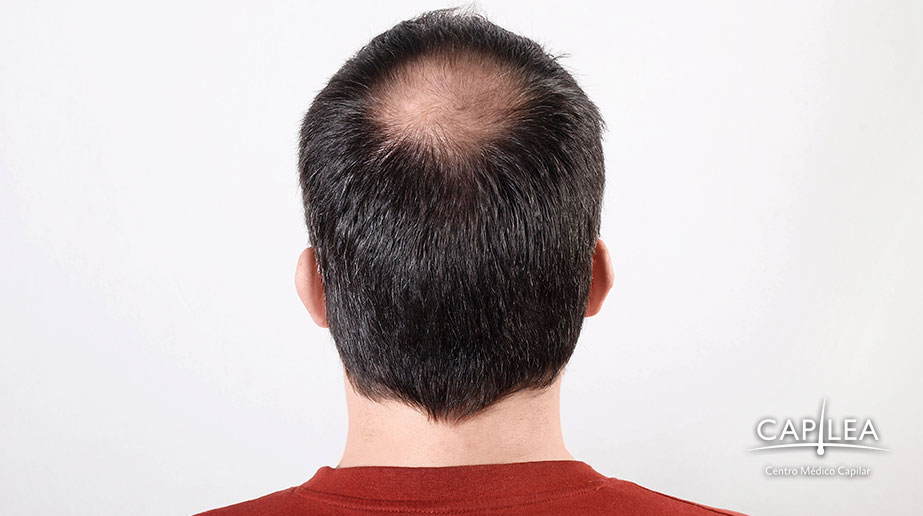
Dihydrotestosterone (DHT) is a hormone that affects up to 85% of men and can cause significant hair loss. The good news is that DHT is produced when testosterone is converted into DHT through the enzyme 5-alpha reductase—a process we can influence and control.
What causes DHT?
Genetics
If you have a family history of baldness or thinning hair, there’s about a 70% chance your hair follicles are genetically sensitive to DHT. This sensitivity can lead to a progressive shortening of the hair growth cycle and, eventually, noticeable hair loss.
Hormones
Testosterone and its derivative, DHT, directly influence the health and vitality of your hair. The enzyme 5-alpha reductase converts testosterone into DHT, and elevated levels of this hormone can bind to your hair follicles, causing miniaturization and gradual weakening.
Environment
Environmental factors such as chronic stress, pollution, poor diet, and inadequate hair care habits can increase DHT production or make your scalp more susceptible to its damaging effects—unfortunately accelerating hair loss and reducing your confidence.
How does DHT affect my hair?
- Shortens the hair growth phase (anagen phase), disrupting your natural cycle.
- Reduces the size of hair follicles, weakening their foundation.
- Causes new hair to emerge thinner and significantly weaker.
- Can eventually stop hair growth completely in affected areas.
- Increases scalp sensitivity, leading to irritation and flaking.
- Produces sebum production, resulting in a greasier, less manageable scalp.
- Decreases blood circulation in the scalp, affecting follicle nutrition.
- Can cause inflammation in the follicles, further weakening the hair.
- Contributes to androgenetic alopecia, the most common and distressing type of hair loss.
What foods help reduce DHT?
Several foods act as natural DHT blockers and can help restore your hair’s vitality:
- Soy products: Rich in beneficial isoflavones that may reduce DHT’s negative effects.
- Pumpkin seed oil: Contains zinc and cucurbitacins, which strengthen follicles and help prevent further hair loss.
- Coconut oil: Provides nourishing fatty acids, such as lauric acid, that promote natural hair growth.
- Nuts: Rich in biotin and essential fatty acids that strengthen hair and regulate hormone levels.
- Almonds: High in magnesium, a vital mineral that helps regulate hormones and prevent follicle miniaturization.
- Tomatoes: Contain lycopene, a powerful antioxidant that improves scalp blood circulation.
- Carrots: A rich source of beta-carotene, which converts into vitamin A—essential for scalp health.
- Spinach: Provides magnesium and other vital minerals that help balance hormone levels.
- Mushrooms: Contain zinc, which may inhibit the activity of the 5-alpha reductase enzyme.
- Turmeric: Contains curcumin, which has been shown to naturally lower DHT levels.
A balanced diet rich in fruits, vegetables, and whole grains can help you maintain healthy DHT levels and restore your confidence.
How can I reduce DHT in my hair?
Healthy diet
Consume nutrient-rich foods that have been scientifically proven to reduce DHT production. Almonds, nuts, and pumpkin seeds are great allies in your fight against hair loss.
Regular exercise
Consistent physical activity helps balance hormone levels, improves scalp circulation, and promotes an optimal environment for healthy hair growth and restoration.
Effective stress management
Managing stress through techniques such as meditation, yoga, or deep breathing is essential to prevent cortisol from raising DHT levels, which can accelerate hair loss and impact confidence.
Regular scalp massages improve blood circulation, which can stimulate hair growth and help reduce DHT buildup naturally—this simple practice can make a real difference.
Natural supplements
Consider supplements such as green tea extract, which can block the enzyme responsible for converting testosterone into DHT. Green tea contains epigallocatechin gallate (EGCG), a powerful antioxidant that may inhibit up to 40% of testosterone’s conversion into DHT.
Seek help from a hair professional
Consulting with a hair specialist allows you to receive a personalized diagnosis and access effective treatments that combine natural and medical therapies to control DHT and promote hair regeneration. There’s hope—and professional guidance can make all the difference.
Hair loss treatments
Professional scalp massage
Involves specific movements and controlled pressure applied by a specialist to stimulate collagen production and improve circulation.
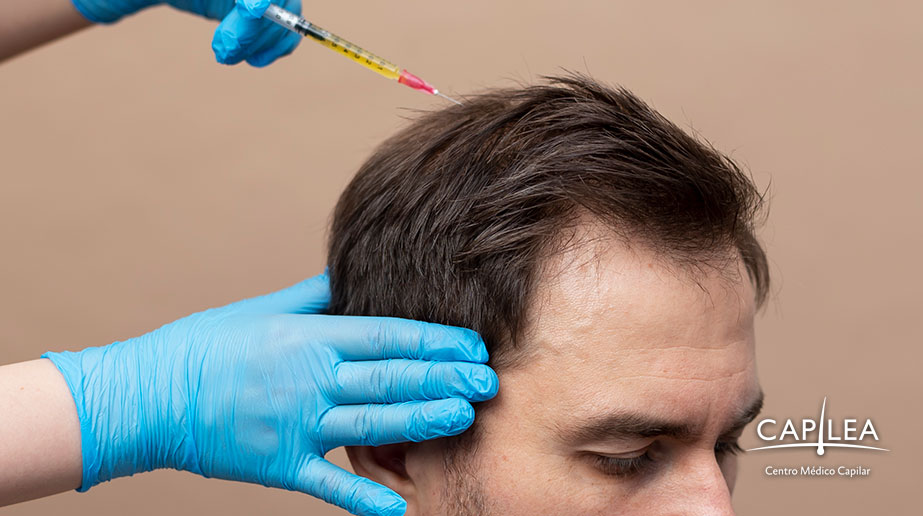
Platelet-rich plasma (PRP) therapy
Uses plasma extracted from your own blood to naturally stimulate the regeneration of hair follicles.
Hair transplant
A surgical procedure that moves healthy follicles from a donor area to areas affected by hair loss, restoring your confidence.
At Capilea Mexico, we offer each of these personalized treatments to effectively combat hair loss. We use cutting-edge technology and have professionals to guide and support you throughout your journey—you’re not alone.
Evaluate your hair at Capilea Mexico
Accurately assess the health of your hair and receive personalized recommendations tailored to your needs. Schedule a free online hair evaluation consultation at Capilea Mexico. I am Dr. Héctor Treviño and I’m here to help you regain your hair and confidence.
Frequently Asked Questions
How long does it take to see improvement in hair after reducing DHT levels?
Results vary from person to person, but you can generally expect to notice improvements after 3 to 6 months of consistent, supervised treatment. Patience is key—but there’s hope.
Is it possible to combine natural and medical treatments to improve hair health?
Yes. Combining both approaches under professional supervision can enhance results and offer a more complete, effective treatment plan tailored to your needs.
What role does hydration and external hair care play in reducing DHT?
Keeping your hair hydrated and maintaining a clean, healthy scalp significantly improves overall hair health. While it doesn’t directly eliminate DHT, it creates an optimal environment for growth and recovery.
Are there differences in how DHT affects men and women?
Yes. Men tend to experience more pronounced male pattern baldness with receding hairlines, while women usually experience diffuse thinning.
How does stress management influence DHT reduction and hair health?
Chronic stress increases cortisol levels, which in turn can raise DHT production—accelerating hair loss and affecting confidence.